
Design
Discover the interior decoration trends for 2024
design

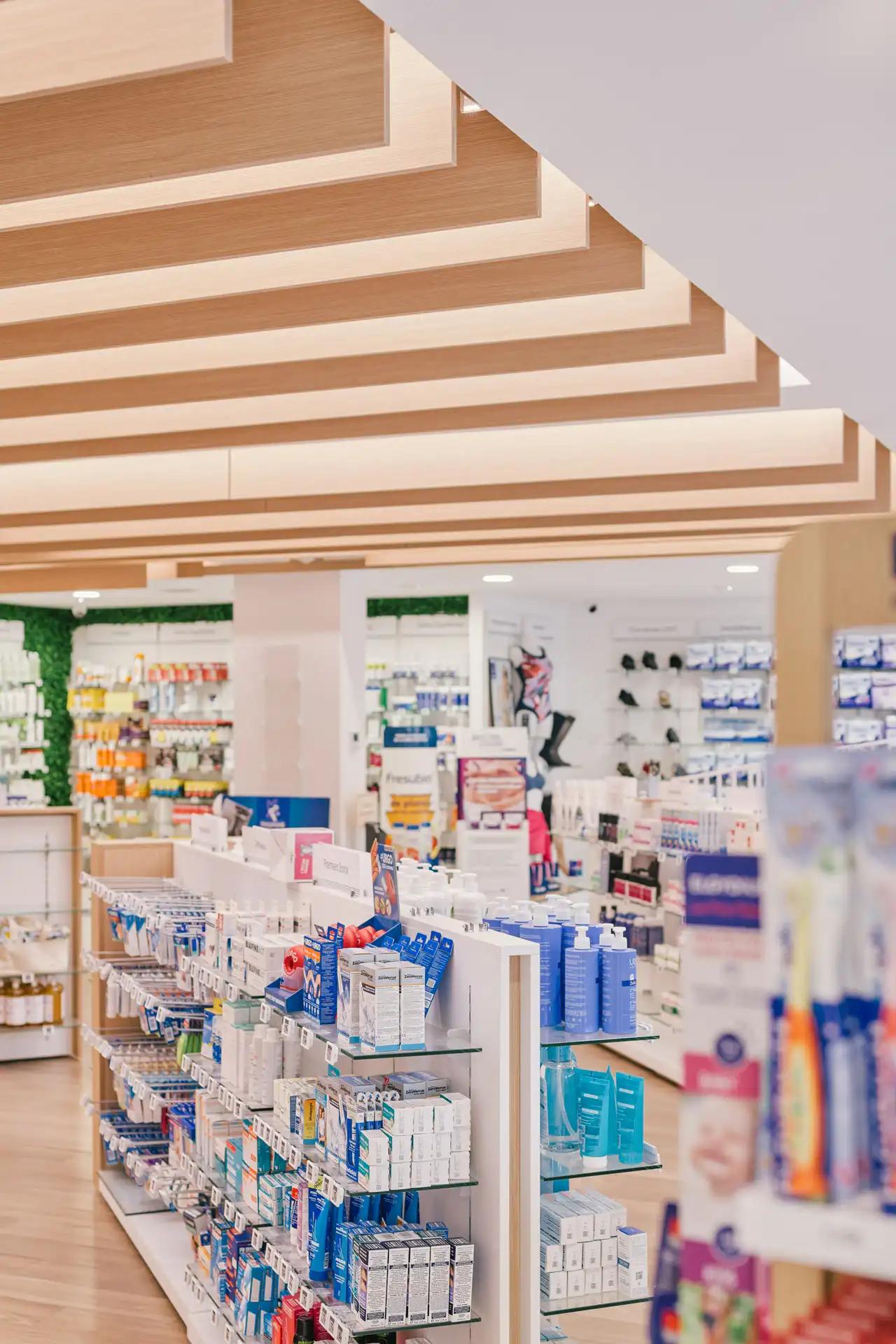
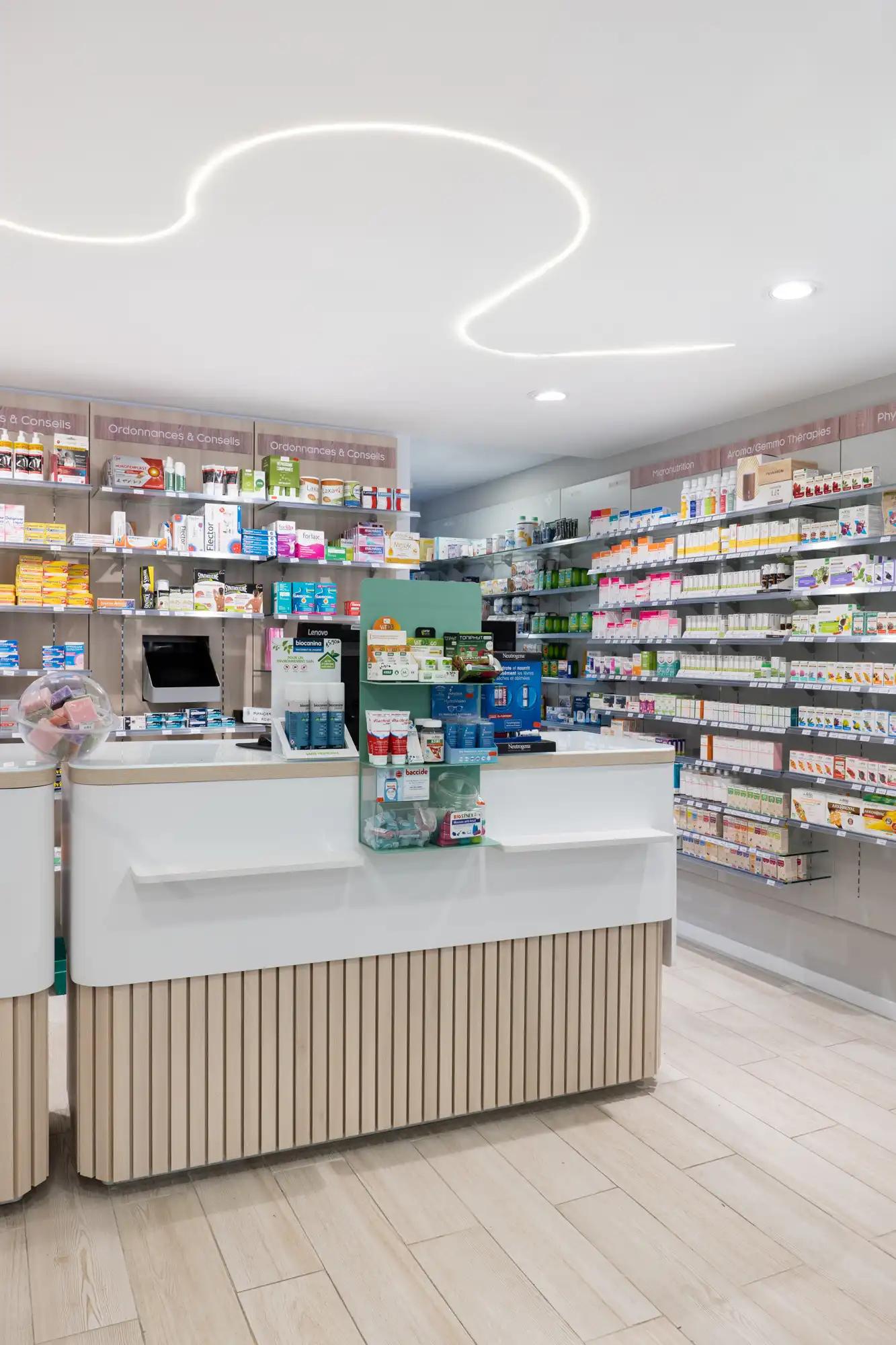
More and more units in the healthcare sector are abandoning the widely established norm that perceives these spaces as sterile, monotonous and tasteless environments. Today, more than ever, this sector is being invaded by technological innovations and conceptual disruptions. Factors that have contributed – actively – to increasing the quality of the service provided. Find out why in this article!
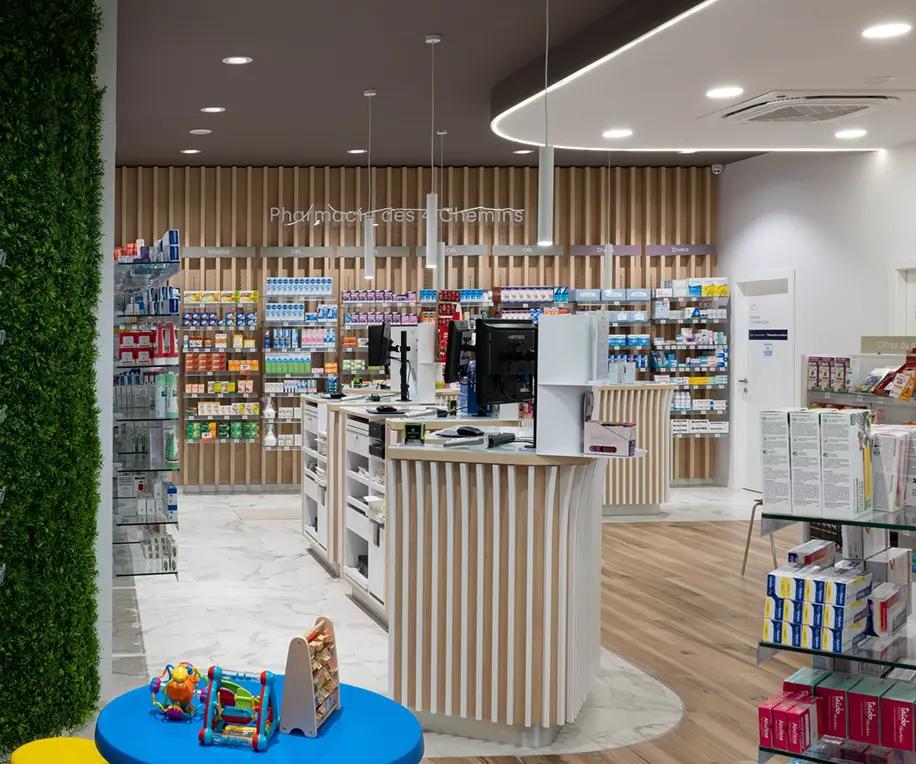
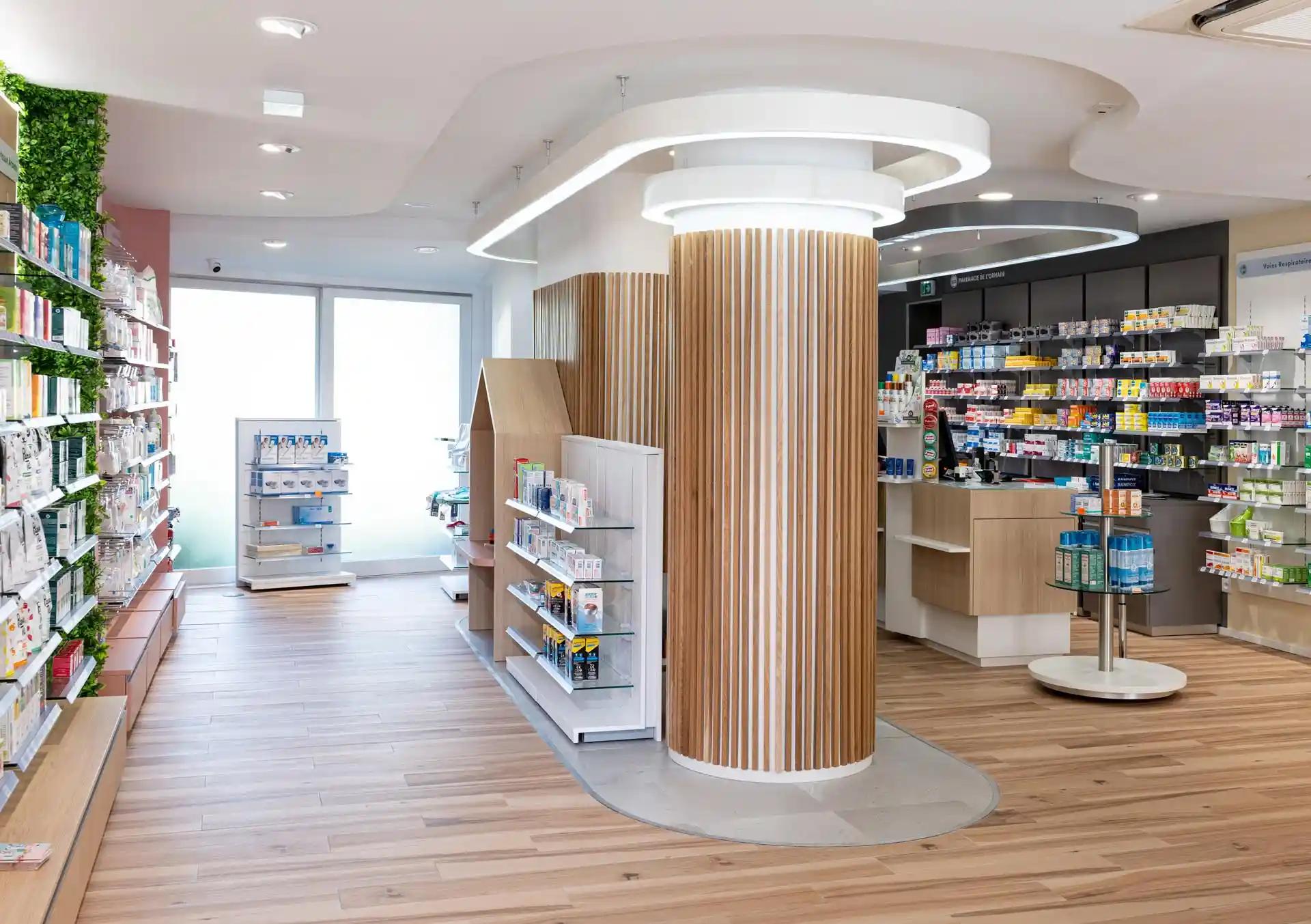
In parallel with Telehealth, the design moves towards bringing users closer to health care and services. The truth is that the demand for increasingly closer and accessible healthcare leads designers and architects to implement solutions capable of breaking down physical barriers and bringing everyone involved together, in an environment that – in addition to being safe – must be aesthetically appealing. Taking into account theimpact caused by the COVID-19 pandemicand the consequent change in paradigm that we have witnessed, we must face the collapse of the (so-called) traditional relationship between users and health professionals, in a practical way. We must think of the individual as the center of the entire sector, seeking to transform the health center, pharmacy, office, clinic or hospital into a more inviting space.
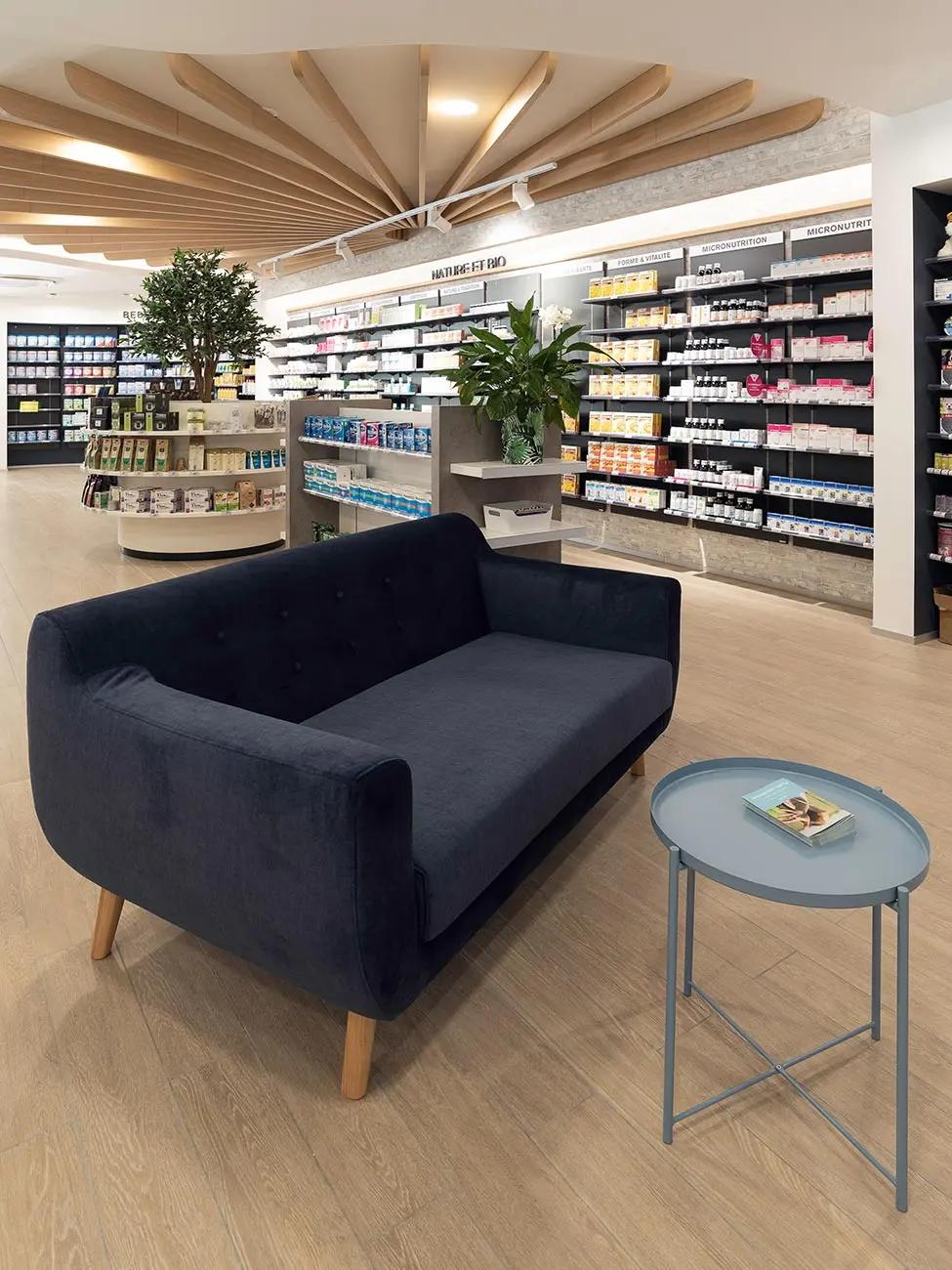
Now, this means that the design must focus on the concept of Open Space or choose to introduce glass on the facades of structures intended for the provision of services and healthcare. In this sense, wayfinding is also an option. By designing patterns and routes on the floor, it is possible to create paths that “invite” the user to enter the healthcare space, guiding their visit subconsciously. Likewise, according to an article by Forbes, Resimercial design will come into vogue from 2020 onwards. As it involves the introduction of typically residential elements into commercial works and projects, this trend specifically meets the need to transform spaces dedicated to the provision of care and health services into truly welcoming environments.
On the other hand, as medical assistance becomes increasingly digital, hospitals tend to become increasingly specialized, with care that involves the patient's hospitalization.
In this regard, the question arises:
How can interior designers create environments capable of increasing users' comfort levels in the event of hospitalization?
Now, the answer, according to published predictions, involves the creation of multifunctional rooms, intended for the families of hospitalized users. Rooms that will have to be included in future design projects and that can provide touches of elegance in environments that would be traditionally sterile. Something as simple as a decorative painting or a vase of flowers, or something bolder like storytelling. The truth is that more and more healthcare units are moving away from white walls and uncomfortable furniture. By imprinting personality and culture into care spaces, patients and healthcare professionals feel more comfortable. This could mean radically changing the color of the walls or opting for themed design elements. Whatever it is, the important thing is to promote the comfort and well-being of users.
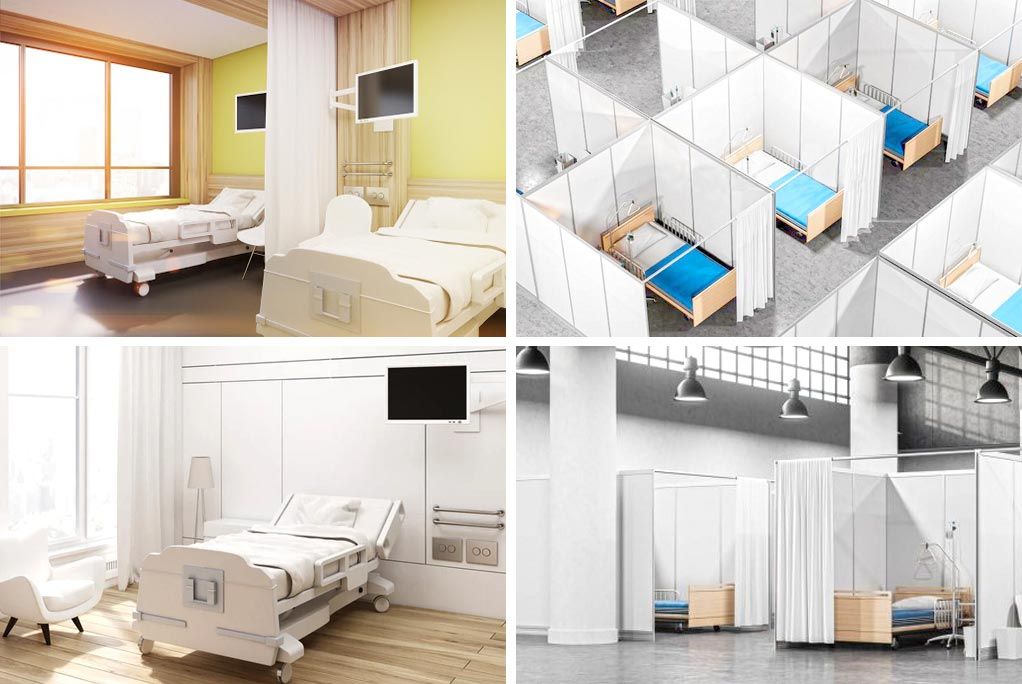
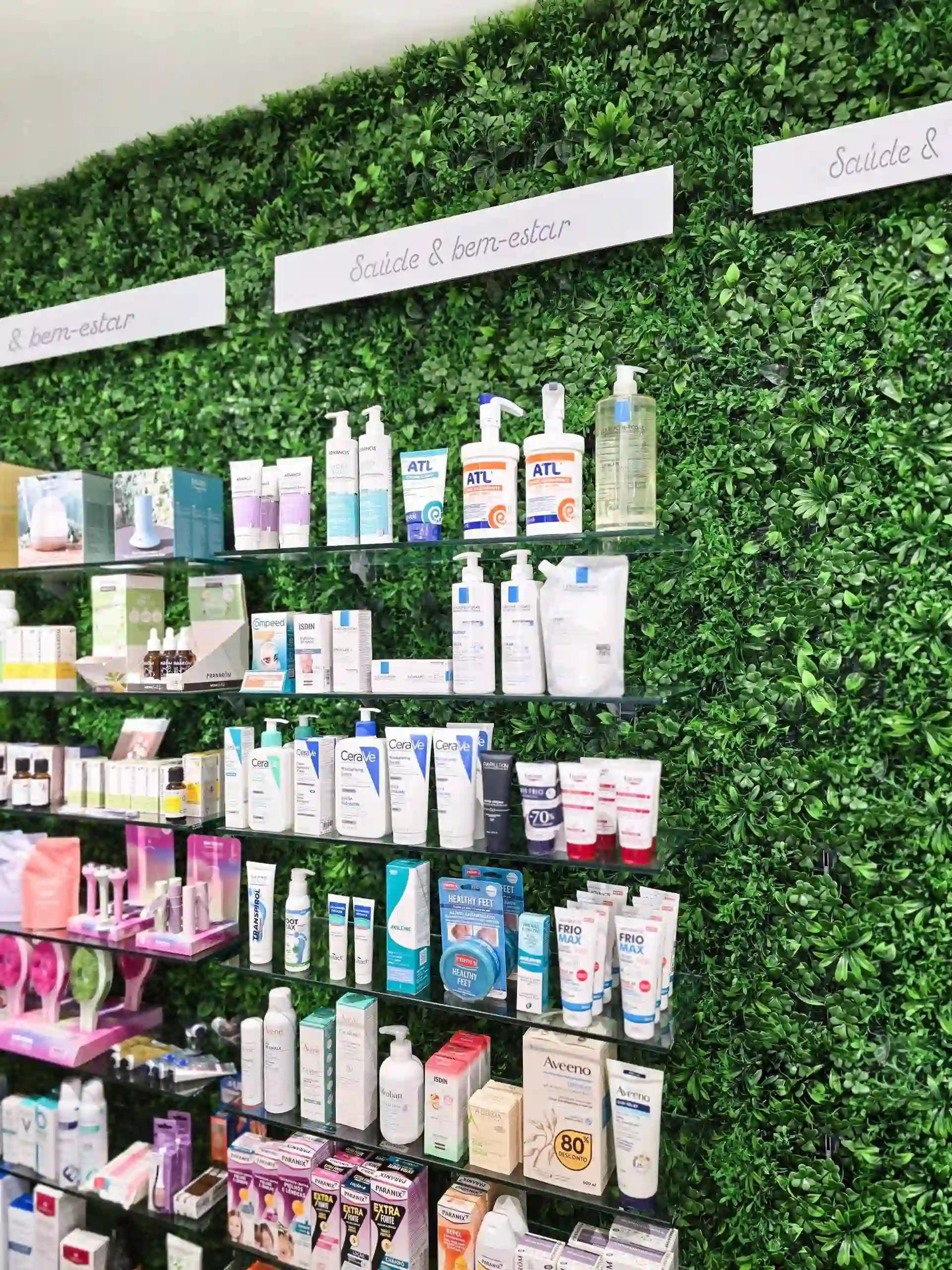
More than aesthetic quality, the design must offer comfort and safety to users. The introduction of technology has never been as much of an issue as it is today. Especially after the global pandemic was declared. More than ever, it will be essential to include equipment andbacteria-resistant surfaces. Materials that serve – actively – to support the safety of spaces intended for the provision of health services and care.
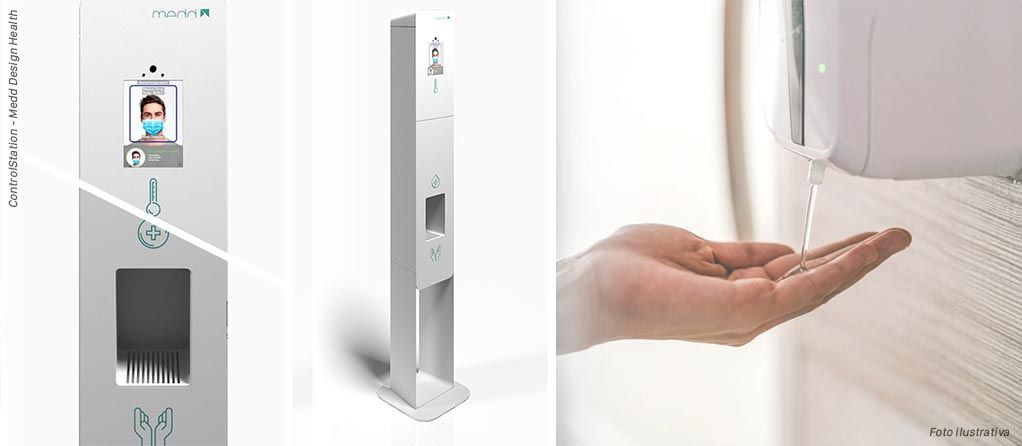
ControlStation– Health control and disease and infection prevention terminal
It is estimated that, after this year, the need to create spaces that allow healthcare professionals to collaborate with each other will increase. With design solutions that enable and encourage cooperation, healthcare spaces will undergo drastic changes. In hospitals, for example, the creation of versatile environments is intended, essentially, for healthcare professionals. That is, rooms or spaces that can function as workstations. Locations designed to accommodate the needs of healthcare professionals, promoting a positive work environment and encouraging their potential.
Hospitals. Clinics. Pharmacies. Optics. Health centers. Oncology centers. Veterinarians or laboratories. Whatever your specialty in the healthcare sector,MEDDdevelops design projects capable of increasing the quality of services provided and the levels of satisfaction of its users!
Count on a multidisciplinary team with extensive experience in developing construction and renovation projects. Count on Medd’s professionals to ensure the success of your project. Contact us today!

Find inspiration for your renovation projects. Follow us and stay up to date with the latest news.