Management
INFARMA 2026: TRENDS IN PHARMACY DESIGN AND HEALTHCARE SPACES
management
Share this post
The rapid spread of the COVID-19 pandemic has changed the way we communicate, live and interact in society. The State of Emergency, decreed by the President of the Republic, is a measure typical of a state of war that imposes limitations on constitutional freedoms, in favor of a greater good: health. With social distancing at the forefront of mitigating Covid-19, there are several questions that arise regarding projection of the future. This is a situation that forces architects and designers to rethink the way public and private spaces are built, in order to prepare the future and sustain the present. Check it out!
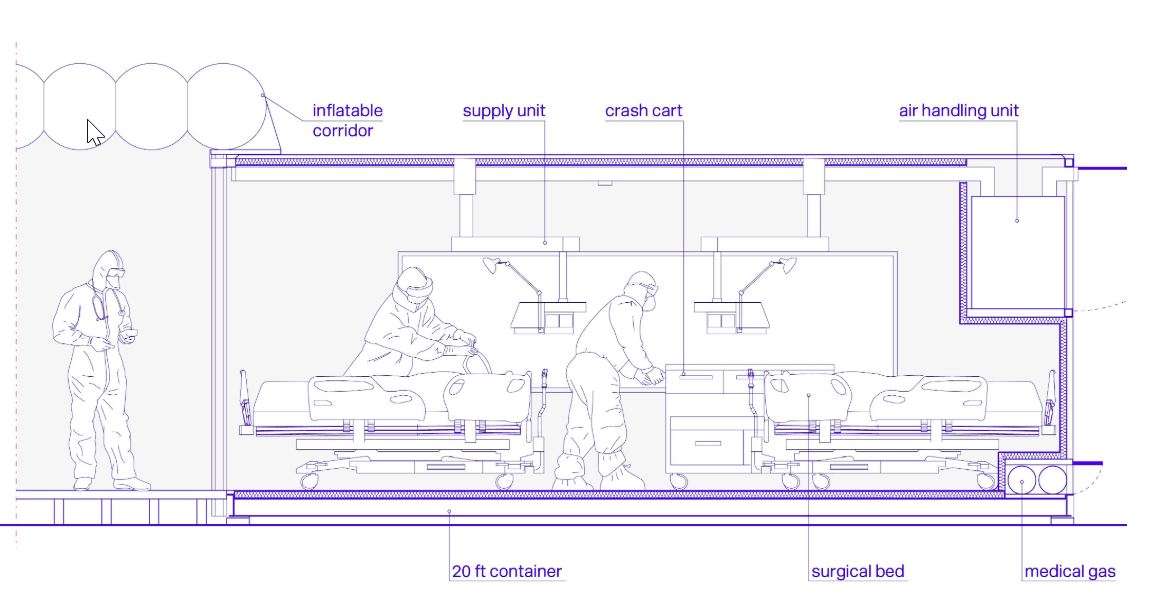
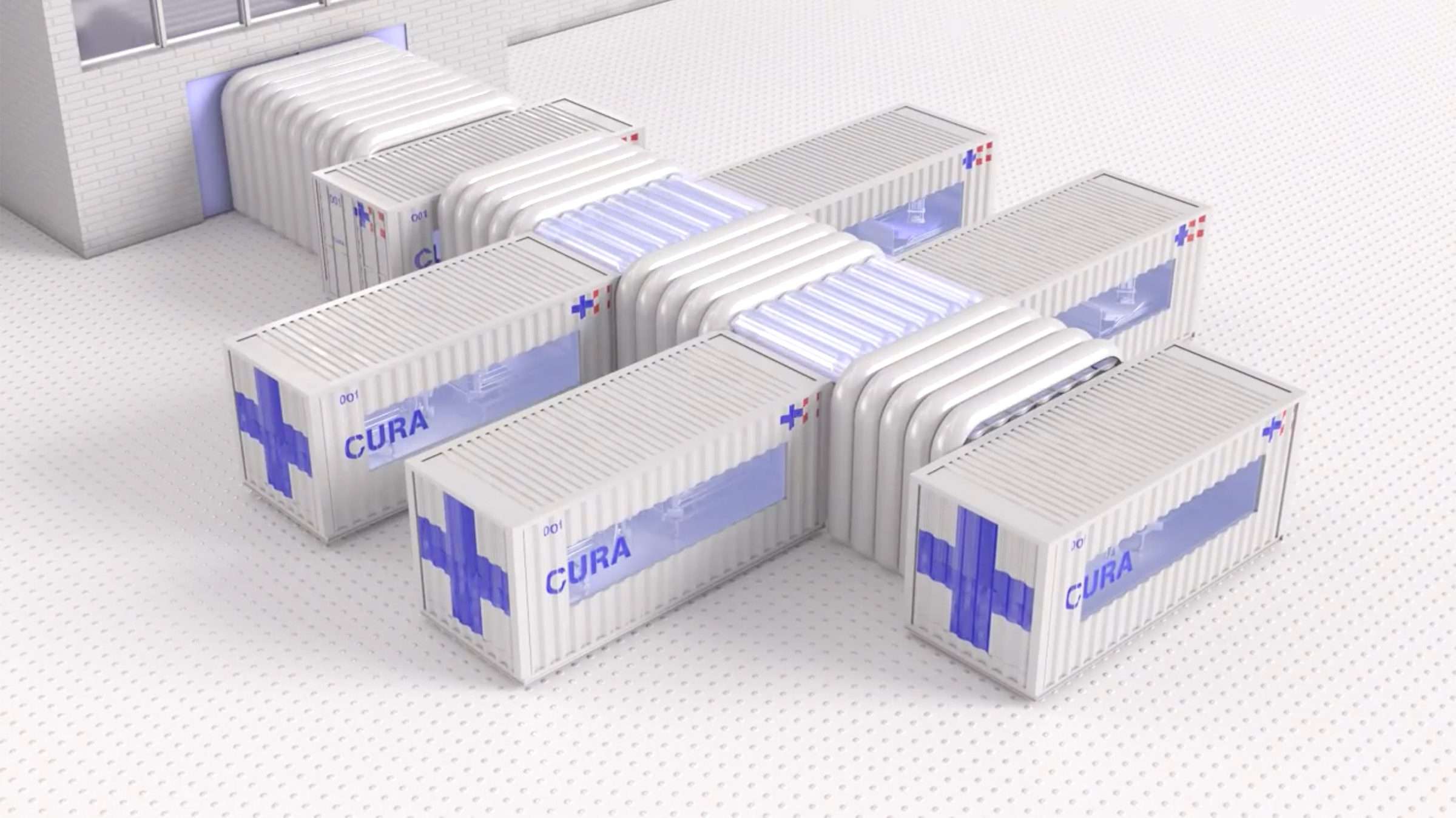
Who doesn't remember hearing about the reconstruction of the city of Lisbon after the 1755 earthquake? So it is. The same happens today. Faced with the Covid-19 pandemic, a group of designers, engineers, doctors and military personnel joined forces to work on CURA (Connected Units for Respiratory Ailments). A project aimed at building intensive care units with the aim of treating patients infected with Covid-19.
This project consists of transforming transport containers into Covid-19 containment capsules. These capsules appear as an immediate response to the lack of space in so-called traditional hospital units. It is even estimated that these units could be as easy to set up as a hospital tent and as safe as an isolation ward, with the first unit already in the process of being implemented, in the city of Milan, Italy.
Both social distancing and reduced mobility have forced companies and workers to make abrupt adjustments. In order to find ways to mitigate the effects of Covid-19 and mitigate its spread, we are witnessing a notable increase in automation in the design of public and private spaces.
Automatic doors, voice-activated elevators, smart switches or body temperature gauges. Currently, there is a huge amount of equipment and systems that serve the purpose of mitigating the effects of Covid-19. A reality that will have to be considered when designing new spaces or redesigning existing spaces.
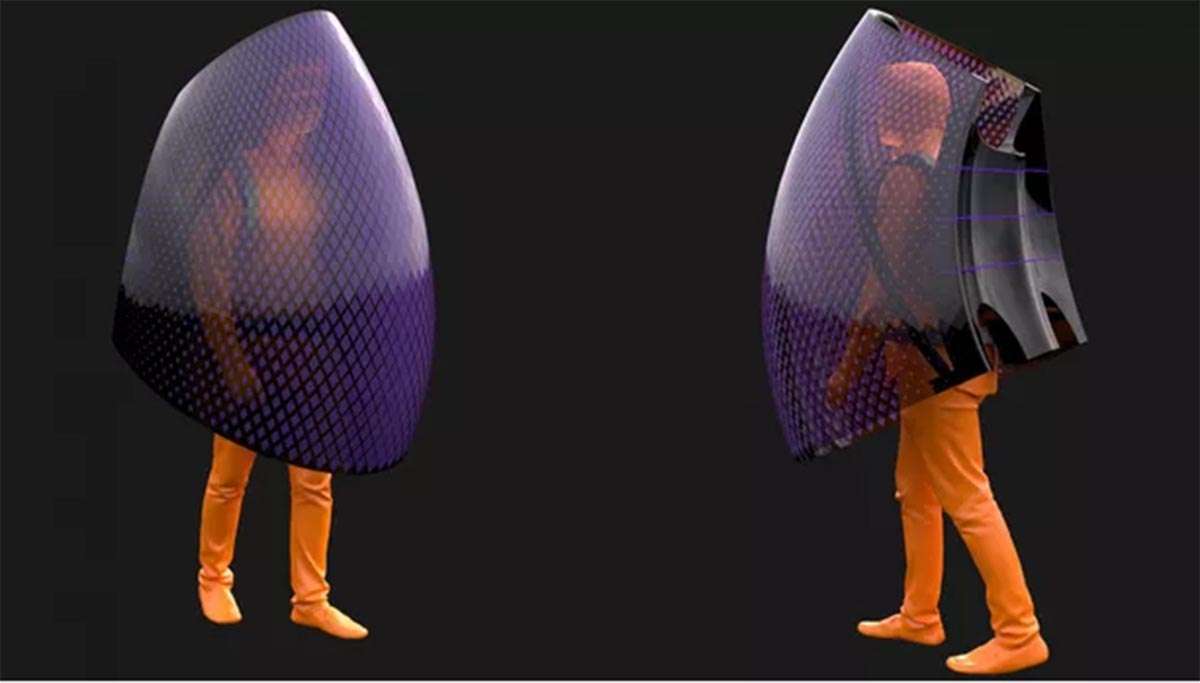
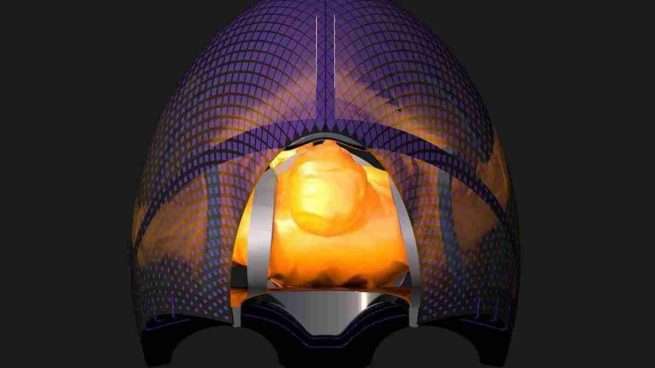
Inspired by the superhero Batman, this curious costume, created by Chinese designer Sun Sayong, works as a type of protective shield and is composed of carbon fiber and PVC. Furthermore, the piece is capable of producing ultra violet radiation, capable of sterilizing the air, and can also be carried as a backpack.

The reality is that, in a situation like the current one, architects like David Dewane are beginning to look with some suspicion at open spaces, especially in an office context. Virtual work and home office serve as proof of the effectiveness of isolation as a source of productivity and concentration. Even remotely, independent workers and professionals from the most diverse areas carry out their tasks, without compromising profitability or collaboration. Faced with this reality, more and more architects argue that the best office space is one that allows a balance between each employee's individual space and the collaboration space.
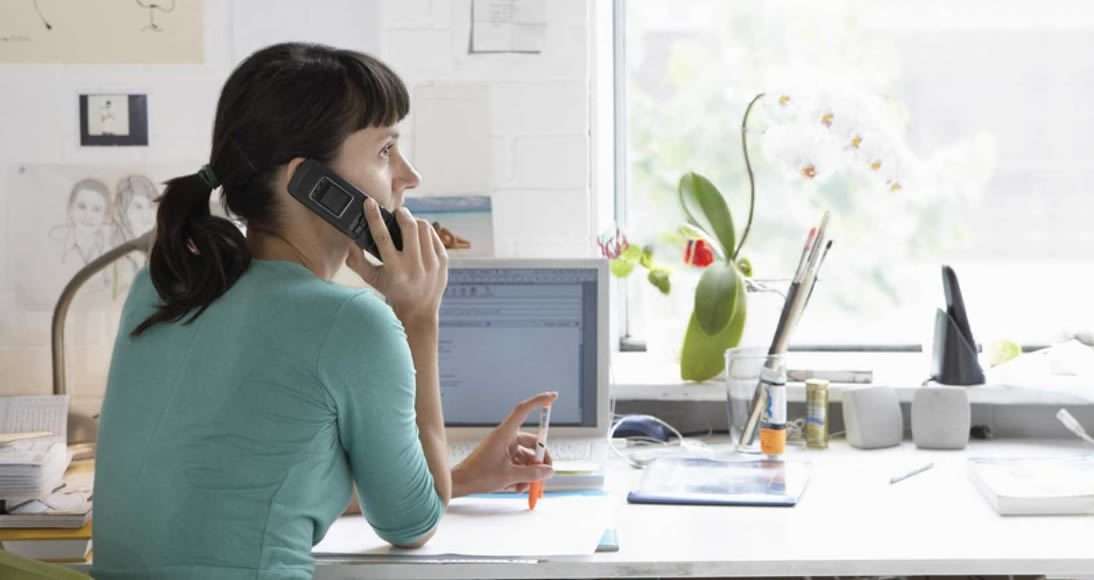
In an increasingly digital world, we invest inhome officeto ensure the construction of consistent relationships, where collaboration and camaraderie are the pillars for redesigning the future. Our team of architects and designers continues to work on developing effective solutions to mitigate Covid-19.
Count on a multidisciplinary team with extensive experience in developing construction and renovation projects. Count on Medd’s professionals to ensure the success of your project. Contact us today!
Find inspiration for your renovation projects. Follow us and stay up to date with the latest news.