Tips
Ceramic tiles in pharmacy architecture: material, strategy and performance
tips
Share this post
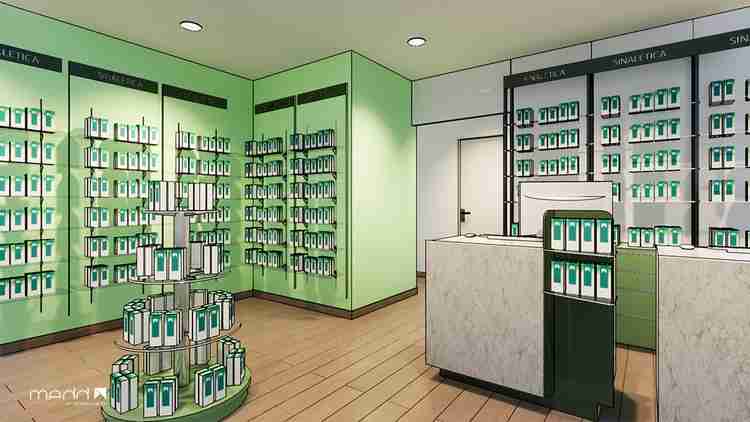
The layout is nothing more than the spatial plan defined for a given area. Through this plan, circulation patterns for users and healthcare professionals working in the pharmacy are established. It's in layout design that work areas, service areas or consumption areas for pharmacy users are determined. Before moving forward with the layout of a space, it is essential to begin by carrying out an in-depth analysis of the space and the commercial activity it will house, in order to determine the purposes and objectives of the space.
Renovating, modernizing and keeping up with design trends are efficient ways to expand the reach of pharmacies. A well thought out plan, where the pharmacy layout is placed at the forefront, can streamline workflows and increase pharmacy user satisfaction levels. In the context of pharmacy, when referring to flexibility, it refers to the means for a safe, welcoming and inviting shopping experience. The adaptability of the space, especially in a context like the current one, is a question that must be asked at the beginning of any remodeling project. A well-designed workplace is one that adapts to the needs of the business, through the development of areas that can easily be transformed.
The objective is to meet changing requirements without major investment or workload. Part of designing flexible layouts is anticipating challenges and purposes. For example, opting for comfortable furniture, antibacterial workbenches or digital customer service screens are practices that aim to respond to needs that are permanent in the customer's awareness modern-day user. On the other hand, the resurgence of privacy and acoustics in the workplace has been felt in the pharmaceutical world. Even in pharmacies that adopt the Open Space concept, walls continue to be fundamental. Outlining and defining spaces are tasks that continue to be part of the interior designer's daily life, however, it is necessary to include flexibility in the conception of new design plans.
A flexible layout must meet all the needs of pharmacies, being adaptable to future requirements. Among the points to take into account when defining the pharmacy layout are:

Although layout and Design are often understood as the same thing, the truth is that they are very different terms. While the layout concerns the organization of the space, Design is related to the aesthetics of the area. If, on the one hand, the Design is immediately perceived by the pharmacy user, on the other hand, the layout is much less obvious, but equally relevant. In this sense, a flexible layout must take into account the design of the space and be defined in full harmony with it.
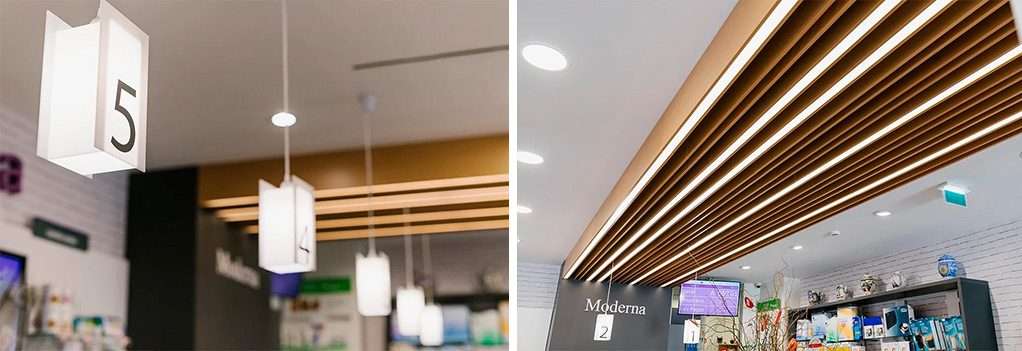
A flexible layout implies the adaptability of spaces. A reality that depends, to a large extent, on the easy adjustment of the lighting levels in the space. Generally, the user area has lower lighting levels, while the service area has more noticeable lighting levels.
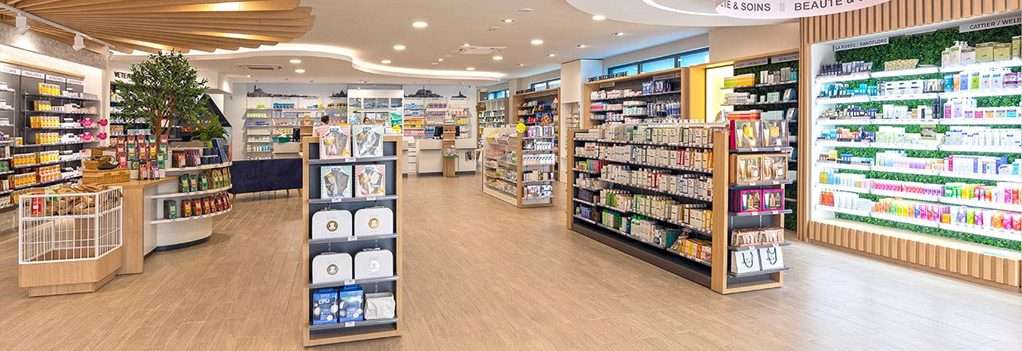
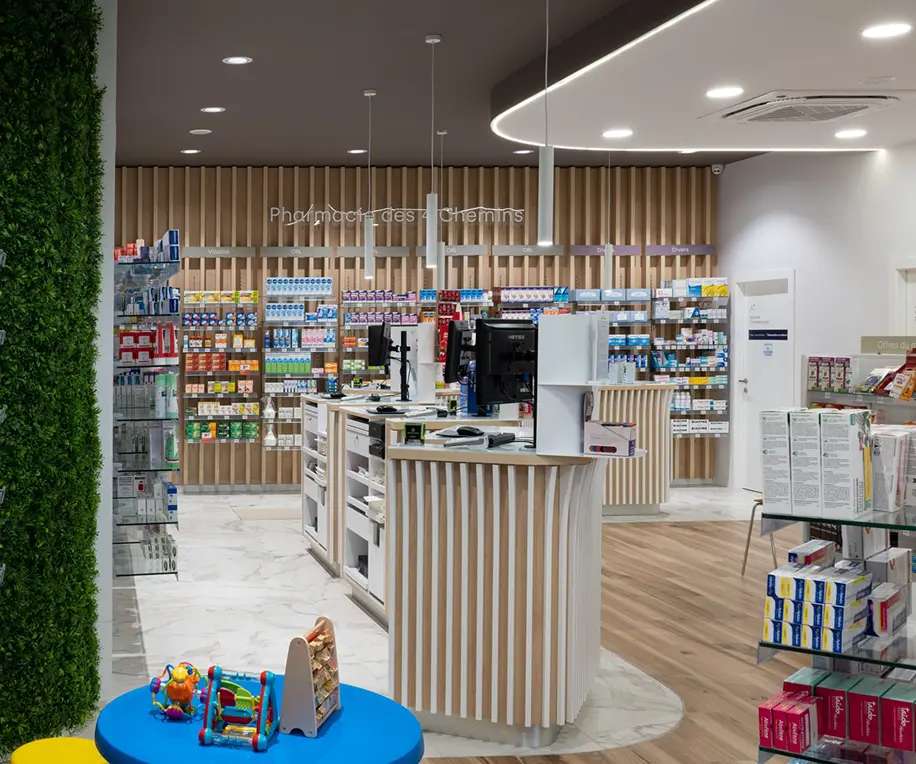
When defining a flexible layout, it is necessary to consider the positioning of gondolas and linears. The establishment of straight and parallel lines, through the strategic positioning of technical equipment, is an effective way to maximize pharmacy space. Likewise, angular displays can add dynamism to smaller spaces, contributing to a more satisfying consumer experience.
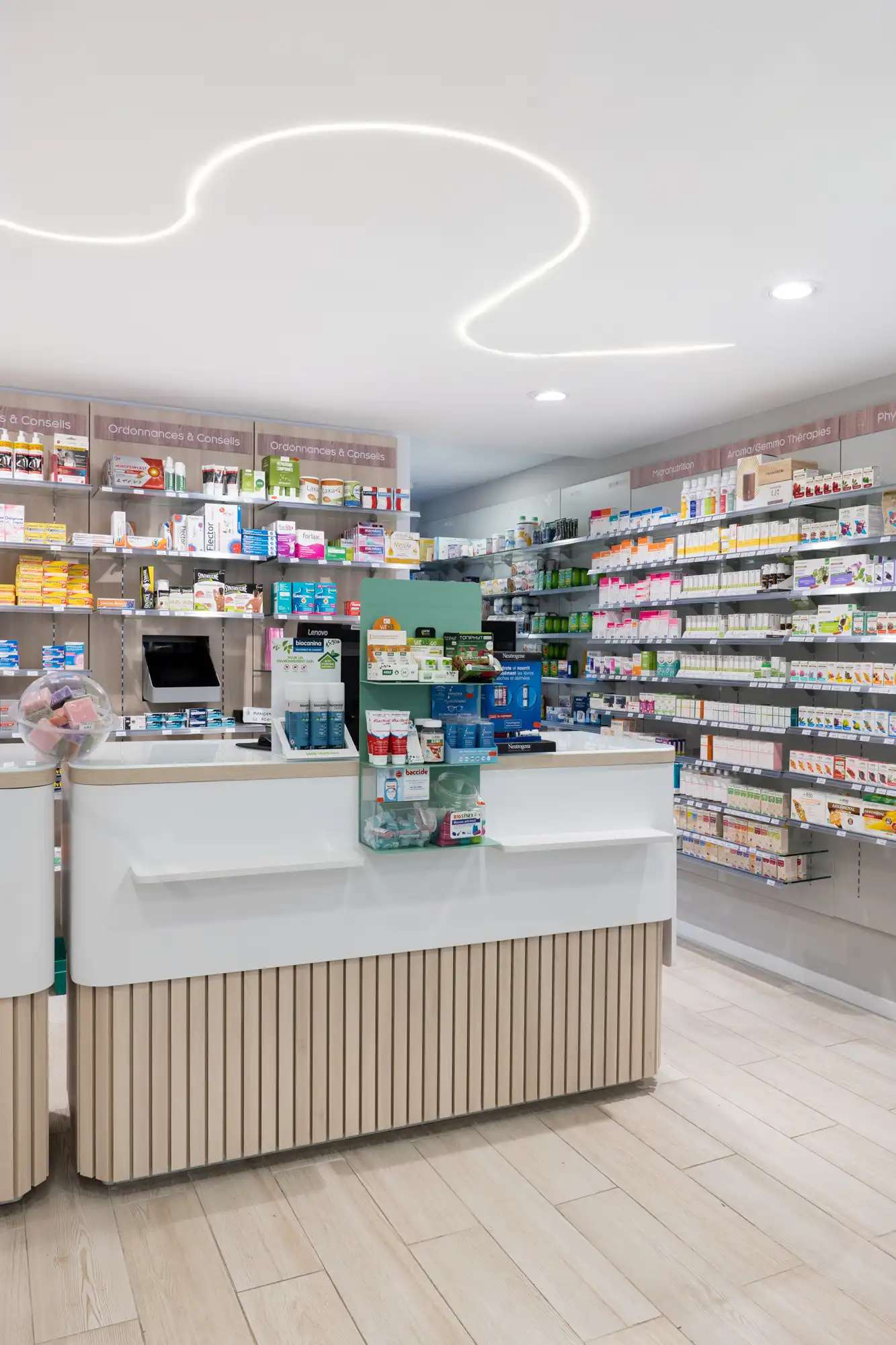
Choose to use technical furniture. Custom-designed pharmacy is an effective way to optimize workflows and maximize the potential of the space, especially when the objective is to develop a flexible layout. Having the possibility of adjusting the positioning of pharmacy furniture, in a simple and agile way, is a way of offering versatility to the pharmacy space.

The flexibility offered by linear and gondolas is undeniable. Often used as partitions or temporary walls, linear walls serve the purpose of defining and differentiating different areas within the same physical space.
Choosing the right layout is a crucial part of pharmacy value creation. In addition to being a powerful tool in developing your brand's visual identity, it is a means of increasing sales, maximizing the use of available space and implementing an efficient merchandising strategy. Above all, a flexible layout helps create an inviting environment, encourages operational efficiency and reduces user waiting times. For all these reasons, it is worth paying attention to selecting the ideal design style and layout that best suits the pharmacy.
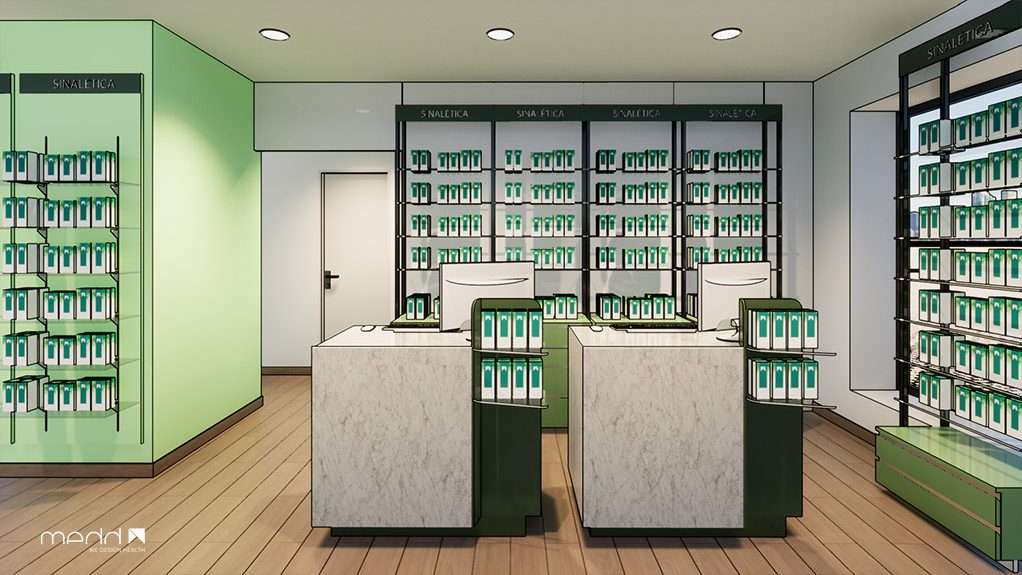
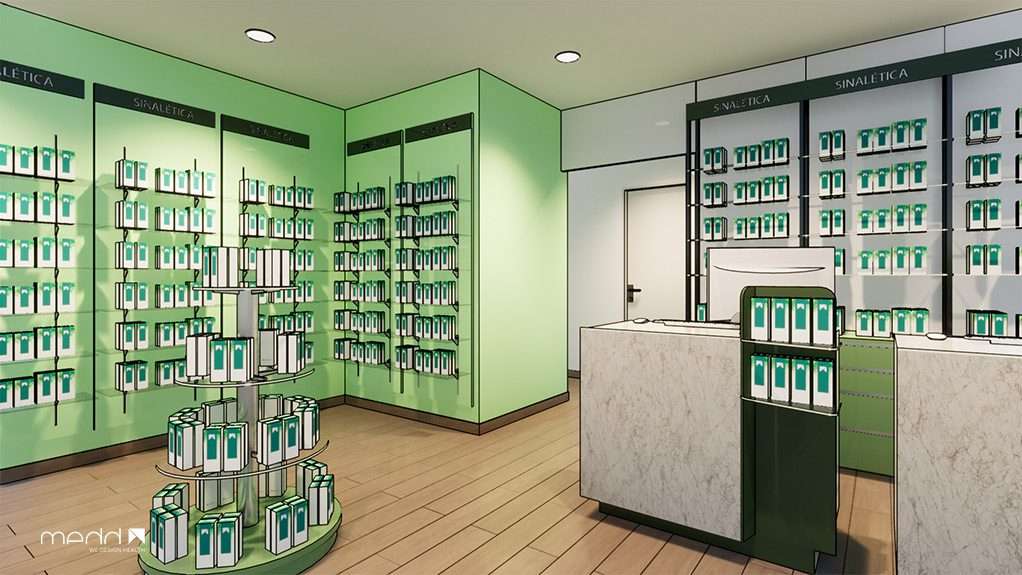
Choosing the best layout for your pharmacy is no easy task. With more than two decades of experience in the healthcare sector, MEDD's team of professionals is at your side in defining a truly flexible layout for your pharmacy. Count on us!
Count on a multidisciplinary team with extensive experience in developing construction and renovation projects. Count on Medd’s professionals to ensure the success of your project. Contact us today!
Find inspiration for your renovation projects. Follow us and stay up to date with the latest news.